



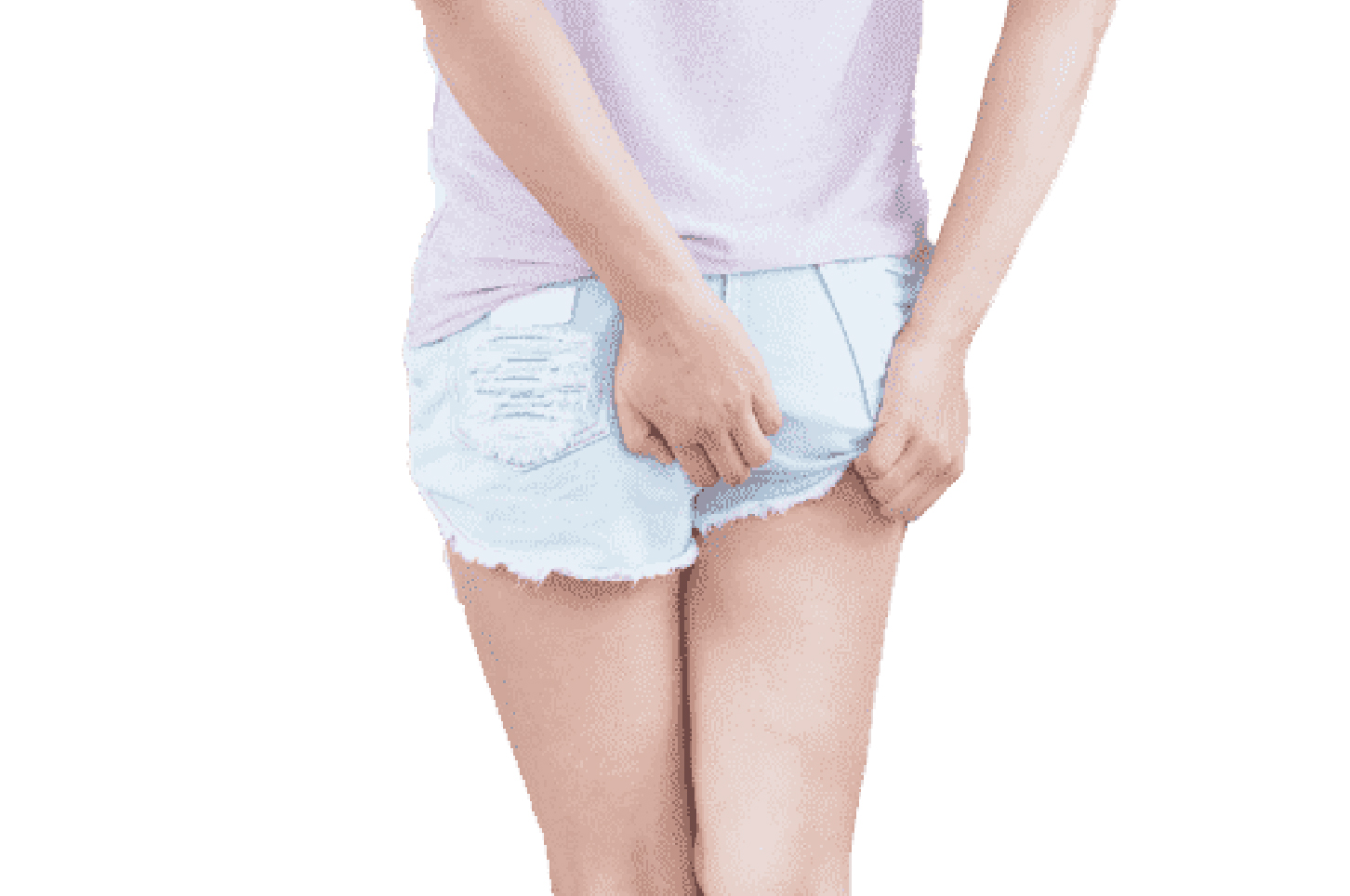
What is piles?
Dr. Rajesh Rathore:When a person is affected with piles, the veins in the region of the anus become swollen and bleed. While these are also called hemorrhoids, piles should not be confused with fissures.
What is fissures?
Dr. Rajesh Rathore:A fissure is a cut in the body, but they do not generally have the distinctively lumpy feel of a hemorrhoid, mostly an anal fissure is a tear in the anus, while a Hemorrhoid is a lump in the anus. However, as fissures and hemorrhoids share quite a few causes in common, they are frequently found together.
How many stages are there in piles?
Dr. Rajesh Rathore: Piles can happen in different stages, which are known as grades in medical terms. -First-grade piles This develops inside the anal canal or the rectum. -Second-grade piles There is a protrusion from the anus during the opening of the anus. But the protrusion returns inwards on its own. -Third-grade piles: This is similar to second-grade piles, only the protrusion needs to be pushed back manually. -Fourth-grade piles: In this the protrusion hangs outside the anal canal.
How many types of piles?
Dr. Rajesh Rathore: Piles can be external or internal. Internal piles happen when the piles affect the internal part of the anus and causes bleeding. In external piles, the affected area can be seen as well as felt on the outside of the anus. External piles can be painful but does not cause too much of bleeding. Commonly, people get piles that are a combination of internal and external types.
What is internal piles?
Dr. Rajesh Rathore: Internal hemorrhoids, you can’t see or feel these hemorrhoids. If you are suffering with hemorrhoids, then it is obvious that you are also probably looking for a secure and effective way to treat the problem. To treat hemorrhoids one solution you may want to consider is medication. By knowing what is in stock, you can select the best method to help ease the symptoms. This will permit the blood vessels to stop bleeding, swelling and causing irritation.
What is external piles?
Dr. Rajesh Rathore: External hemorrhoids are situated around the anus area, and can cause irritation, bleeding and itching in this area. People having hemorrhoids are probably also looking for a solution to stop the irritation. External hemorrhoids are one of the common irritations. Several proven effective methods are available if the problem is more critical, or if you are trying to find a way to get rid of the external hemorrhoids.
What are the symptoms of the piles?
Dr. Rajesh Rathore: The symptoms of the piles may be
Chronic constipation: When a person is constipated, they have to exert a lot of pressure to evacuate the bowels. That is the time; the pressure affects the veins in and around the anus, leading to piles.
Bleeding: Fresh blood from the anus is one of the earliest symptoms. Bleeding can happen during, before or after passing stools. People, who have piles, often feel that they have not been able to evacuate their bowels completely this happens because of the protrusion.
Causes: Bad lifestyle habits and bad diet are the most common causes of piles.
Diet: According to health experts, junk food, sodas, aerated beverages and an unhealthy diet, sans all the nutrients can cause constipation, and then, lead to piles. People who eat very less of fruits and vegetables, and drink too much of tea and coffee, can suffer from piles.
Lack of exercise: Sedentary jobs and lack of physical activity and exercise can cause irregular bowel movement.
Stress: Stress can affect the bowel movement and cause constipation.
Wrong bowel habits: Some people strain too hard while passing stools. Others have no time to evacuate their bowels completely, or some even postpone the bowel movement as they are in a rush to get to work. This can lead to constipation.
Pregnancy and childbirth: These can cause piles too.
How can we prevent the occurance of piles?
Dr. Rajesh Rathore: It is important to inculcate good bowel habits since childhood.
Try to evacuate your bowels as regularly as possible.
Make sure that you eat a fiber-rich diet. The diet should also be rich in all kinds of nutrients.
Make time for exercise and physical activity.
Drink plenty of water and natural juices.